
Oral Sex
Oral sex is using the mouth, lips, and tongue to stimulate someone’s genitals or anus. It can be given, received, or shared in many ways, and it counts as sex even if no one orgasms.
For some people, oral sex feels deeply intimate. For others, it is playful, horny, comforting, or just fun. There is no single way it is supposed to look or feel.
Oral sex is optional. Enjoying it does not make someone more skilled or generous, and not enjoying it does not make someone selfish or inexperienced.
Some people, especially trans* and gender diverse individuals may prefer different words for their genitals. Asking what language and words someone likes helps create a respectful, affirming, and above all, more fun experience!
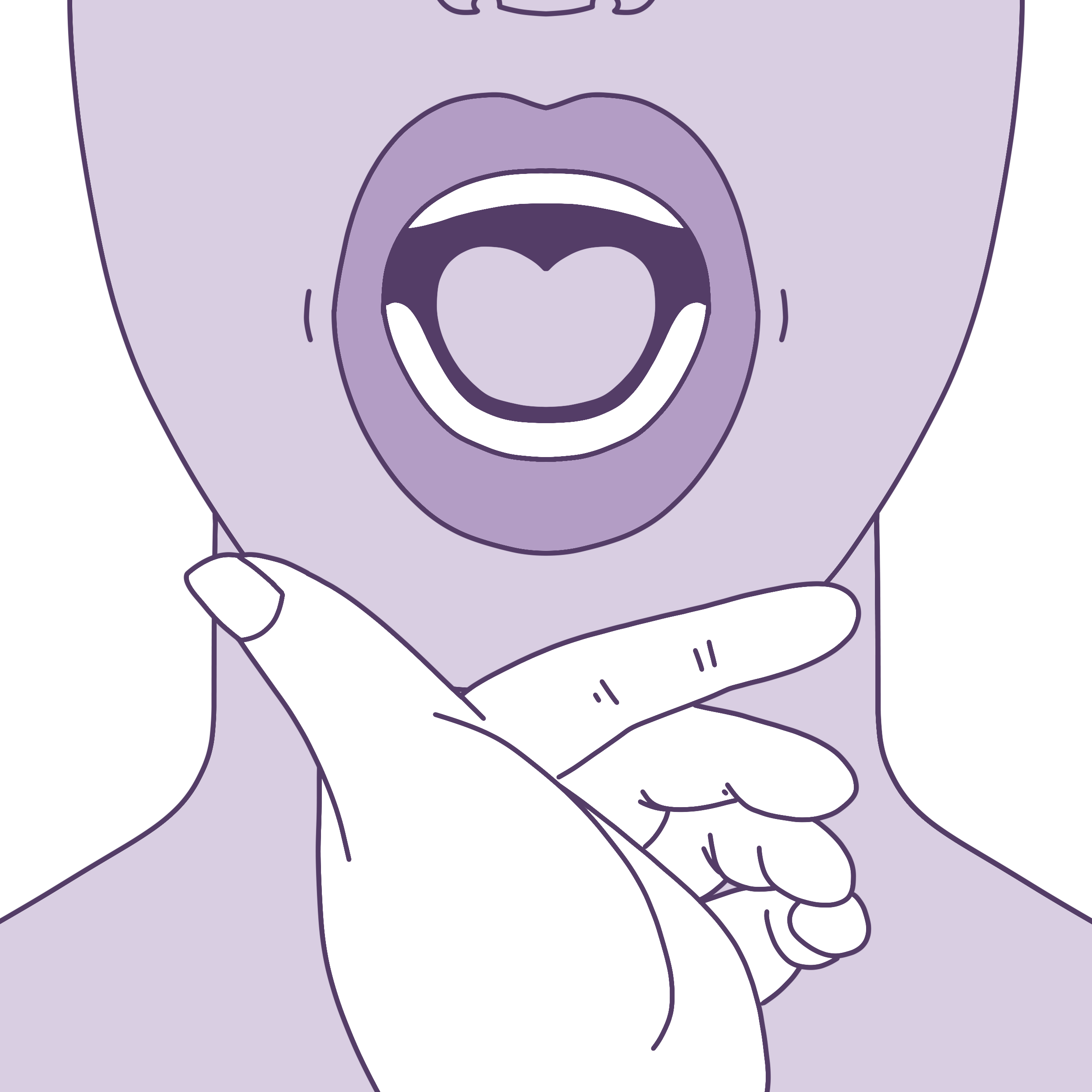
-
Porn often shows oral sex as intense, silent, and endless. Real oral sex includes pauses, communication, adjustments, and even a giggle here and there!
If you are performing oral sex, you are allowed to:
Take breaks
Change pace or position
Use your hands as well as your mouth
Say no to anything that feels uncomfortable
Good oral sex comes from paying attention, not copying what you have seen.
Consent can include check-ins like ‘Do you want more?’, ‘More like this?’, ‘Harder/Slower?’ or ‘Want to pause?’ Neutral consent (‘I’m open to this’) and stopping halfway are valid parts of sexual communication.
Oral sex can feel vulnerable for both giver and receiver. Reassurance or simple affirmations like ‘I love this,’ ‘I want more,’ or ‘So good’ can reduce pressure and deepen connection. And if something isn’t enjoyable at any point, you can stop, take a break, or talk about what would feel better.
-
Good hygiene supports comfort, but it does not need to be extreme.
Before oral sex, it can help to:
Shower or rinse genitals with warm water
Wash hands and trim nails
Brush teeth or use mouthwash if that feels comfortable
Avoid brushing immediately before oral sex if gums bleed easily
Strong smells, heavy soaps, or scented products are not necessary. Clean does not mean scent-free.
Bodies have natural tastes and smells. That is normal, and some people are into it!
If someone is feeling unwell, has sores, irritation, or pain, it is okay to pause or skip oral sex.
After oral sex, simple care is enough.
This can include:
Rinsing your mouth with water
Gently washing genitals with warm water
Cleaning any toys that were used
Peeing if you have a urethra
There is no need to scrub, disinfect, or over-wash.
If condoms or barriers were used, dispose of them properly and wash hands.
-
Some infections can be passed through oral sex, even when there are no symptoms. Using condoms or dental dams can reduce risk, but not everyone chooses to use them. Dental dams can be made by cutting open a condom. Flavored condoms or flavored dams can make oral sex more enjoyable without compromising safety.
Regular sexual health testing and open communication with partners help people make informed choices without fear or shame.
Oral sex is not risk-free, but it is generally lower risk than some other forms of sex.
-
Oral sex on vulvas can involve the clitoris, labia, vaginal opening, or surrounding areas. Sensitivity varies a lot, and what feels good can change depending on arousal, hormones, mood, or comfort.
Slow, steady pressure often feels better than fast movement. Using your tongue, lips, breath, or gentle suction can all feel different. Many people enjoy a combination of oral and hand stimulation.
There is no requirement to be intense or constant. Pauses, changes in rhythm, and checking in are part of good oral sex.
Taste, wetness, and natural scent are normal. Vulvas do not need to taste like nothing to be clean or desirable. Taste can vary day to day based on hydration, hormones, or diet. Swallowing is optional: people have every right to not have any fluids in, or anywhere near their mouth.
The inner thighs, stomach, hips, and perineum can also be part of oral pleasure. Nipple stimulation or whole-body touch can enhance sensation for some- remember that every body is different, so always check with your partner!
-
Oral sex on penises can involve the head, shaft, foreskin if present, and the surrounding areas, including the scrotum and perineum. Sensitivity varies widely from person to person, and what feels good can change depending on arousal, comfort, and mood.
There is no single technique that works for everyone. Some people enjoy slow, steady pressure. Others prefer variation in rhythm or a mix of mouth and hands. Paying attention to breathing, tension, and response is more useful than trying to follow a script.
Using hands alongside the mouth can reduce strain on the jaw and throat and allow for more control over pressure and pace. This is common, practical, and not a sign of doing less.
The balls and scrotum can be very sensitive. Gentle touch, warmth, and light pressure are often more comfortable than squeezing or pulling. For some people, these areas feel intensely pleasurable. For others, they are sensitive or not enjoyable at all. Both are normal.
If someone is uncircumcised, the foreskin should be treated gently. Pulling it back may increase sensitivity for some people, while others may prefer lighter contact.
Taste, smell, and natural moisture are part of bodies. Clean does not mean neutral or flavourless. Comfort matters more than pretending bodies are something they are not.
Swallowing is optional: people have every right to not have any fluids in, or near, their mouth- others love swallowing.
Oral sex should feel mutual and pressure-free. Pauses, changes, or stopping altogether are always okay.
Some people have a sensitive gag reflex even during shallow oral sex. Using more hands, changing angles, or staying closer to the head of the penis can reduce reflex activation.
The inner thighs, stomach, hips, and perineum can also be part of oral pleasure. Nipple stimulation or whole-body touch can enhance sensation for some- remember that every body is different, so always check with your partner!
-
Oral sex on the anus, often called rimming, involves using the mouth and tongue around the anal area. Some people find it deeply pleasurable because the area is sensitive and responsive. Just like everything, not everyone enjoys this kind of touch, and interest can change depending on mood or trust
Good hygiene, clear consent, and comfort matter here. Some people feel more comfortable using a shower, wipes, or a gentle external rinse beforehand. No internal cleaning is required unless someone personally prefers it.
Like all oral sex, it should feel mutual and unpressured. Enthusiasm matters more than technique.
-
Comfort matters for both people.
Helpful things to keep in mind:
Breathing through the nose helps prevent tension
Jaw, neck, and tongue can get tired, and breaks are normal
Hands can reduce strain and add sensation
Communication can be verbal or through body language
If something feels uncomfortable, awkward, or overwhelming, stopping is always okay. Enthusiasm matters more than endurance.
People with disabilities, chronic pain, or jaw tension may benefit from supportive pillows, wedges, or choosing positions that reduce strain. Accessibility is part of good sex!
-
Deep throating refers to taking a penis deeper into the mouth toward the throat. Some people enjoy it. Many do not. It is optional and not a requirement for good oral sex. It is one specific form of oral sex on penises. It is not a standard, expectation, or measure of skill.
Deep throating depends on relaxation, breathing, and angle, not force. Gagging, pain, or panic are signs to stop.
Things that can make it more comfortable for those who choose to try:
Going slowly
Controlling depth yourself
Using lubrication
Changing positions
Taking frequent breaks
No one is expected to push past discomfort.
Deep throating can strain the throat, jaw, and neck. Aftercare helps the body recover.
After deep throating, it can help to:
Drink water
Rest your jaw and neck
Use warm drinks or soothing lozenges
Avoid smoking or very dry air
Pause oral activity if the throat feels sore
Mild soreness can happen. Sharp pain, difficulty swallowing, or lasting discomfort are signs to stop and rest. If symptoms persist, medical advice is appropriate.
Caring for your body is part of good sex.